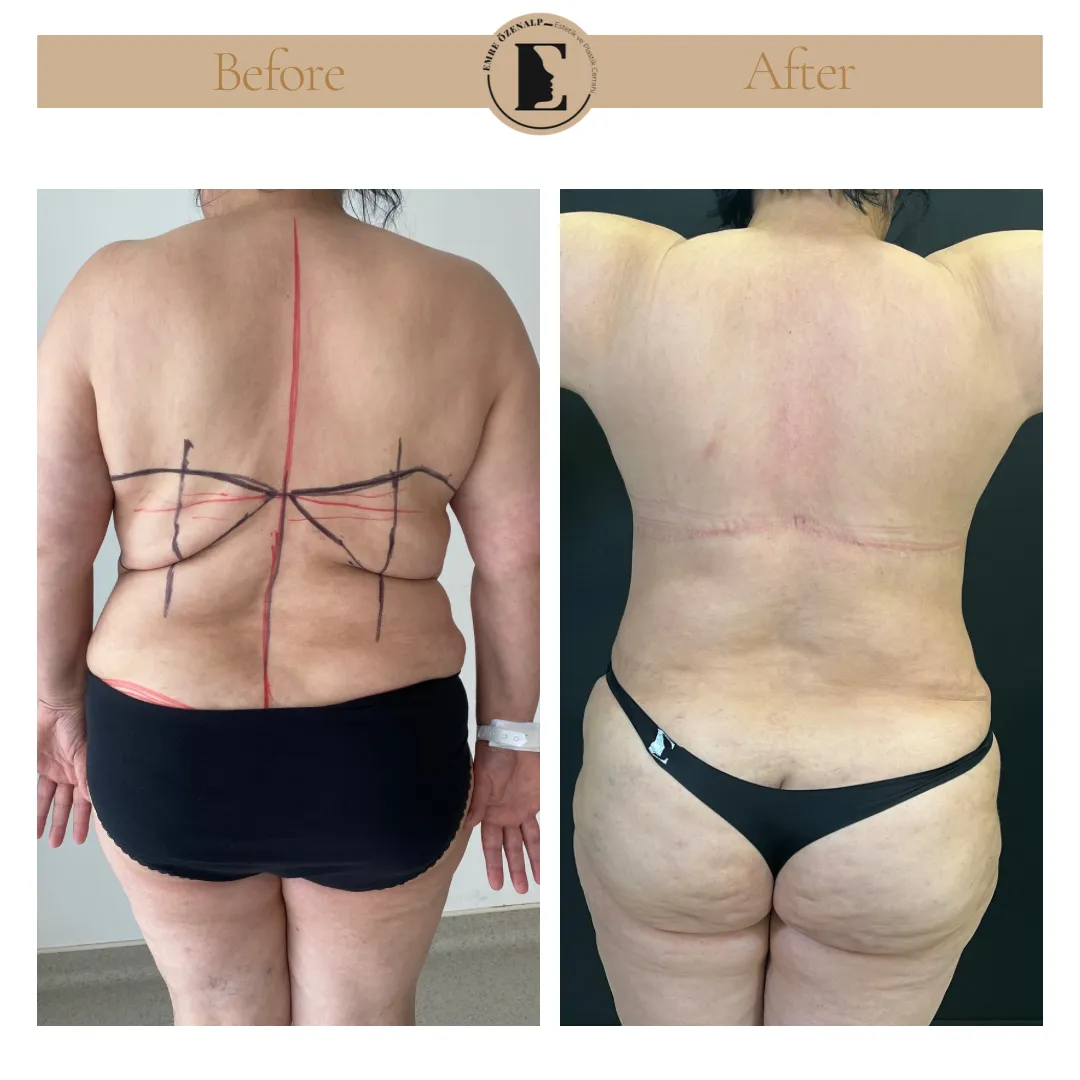
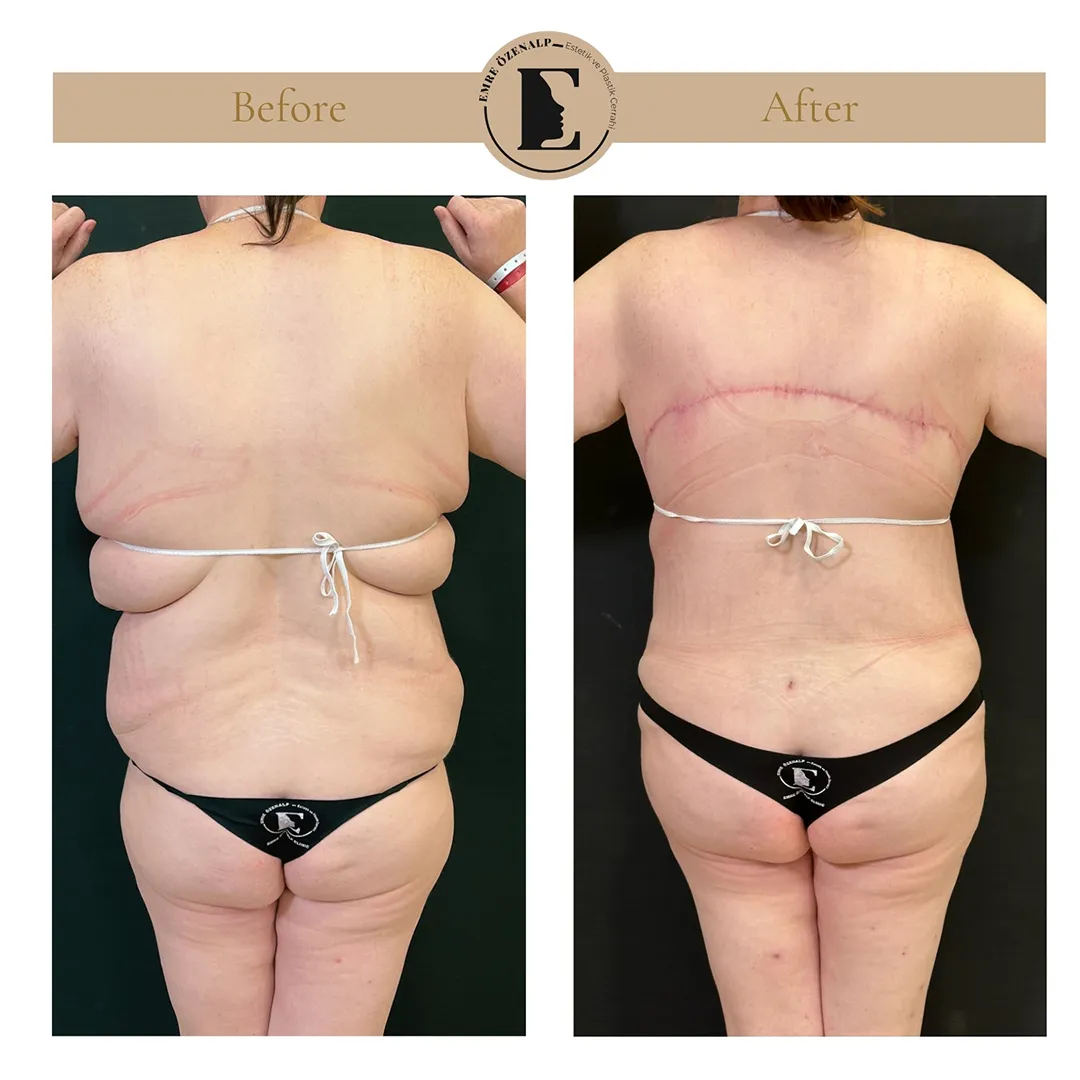
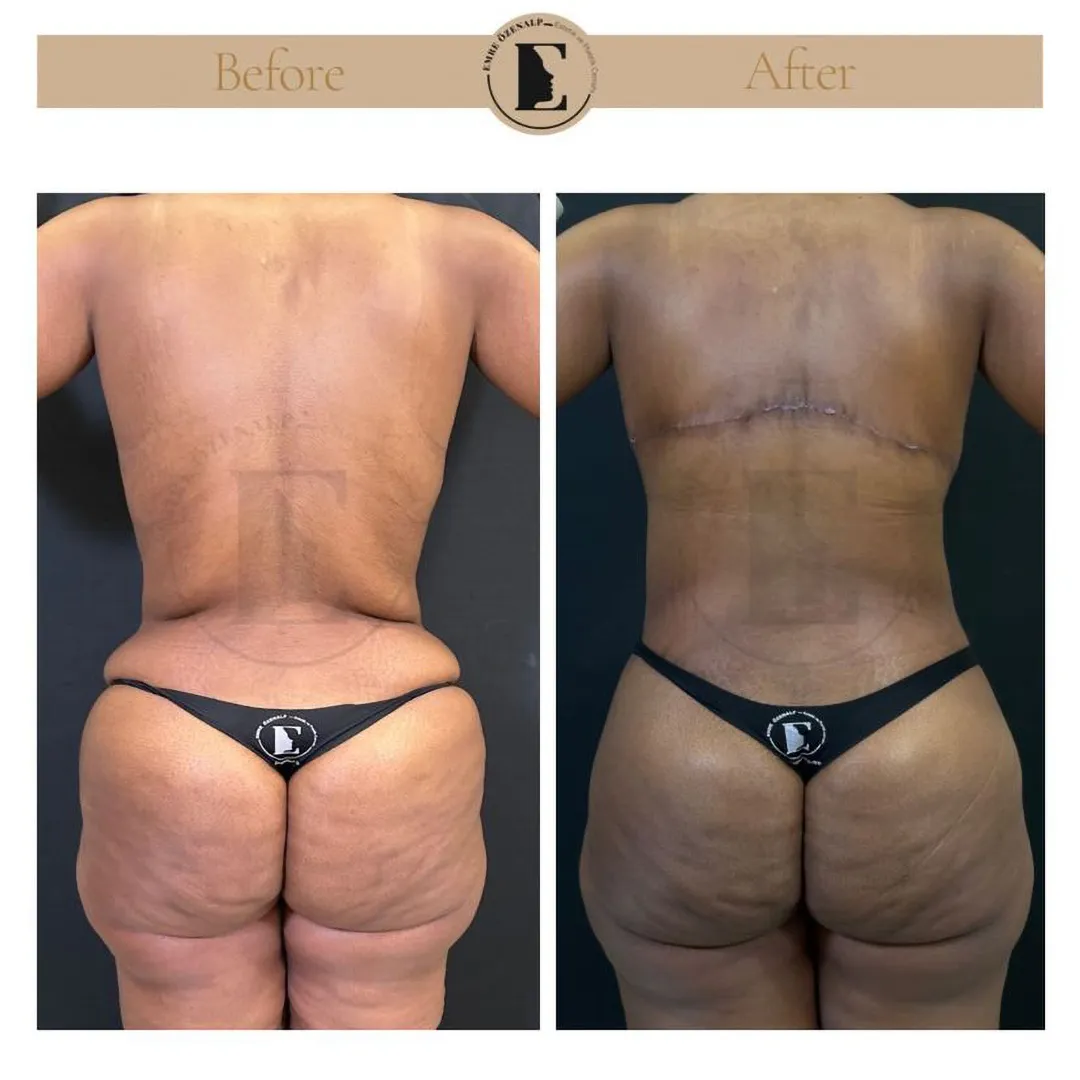
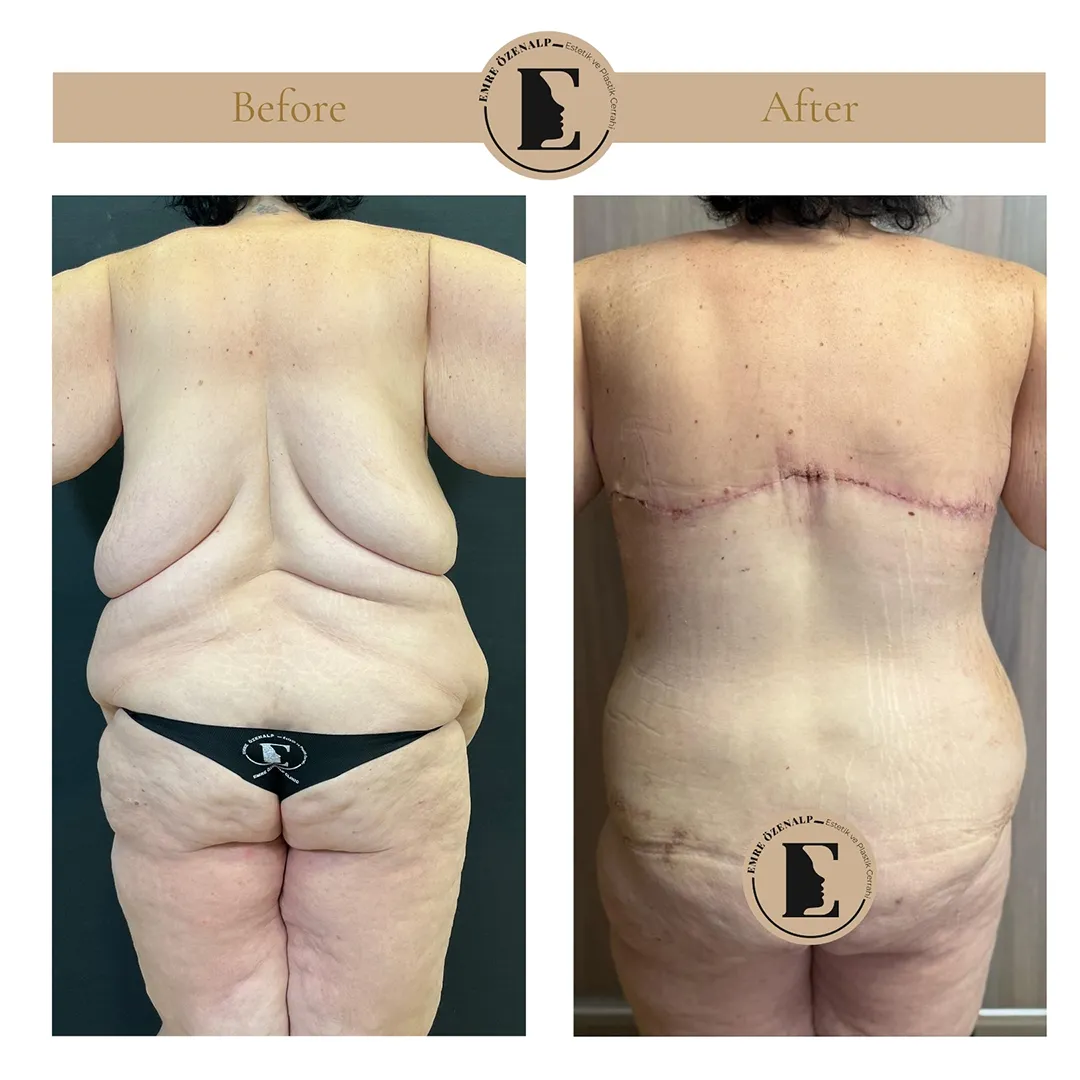
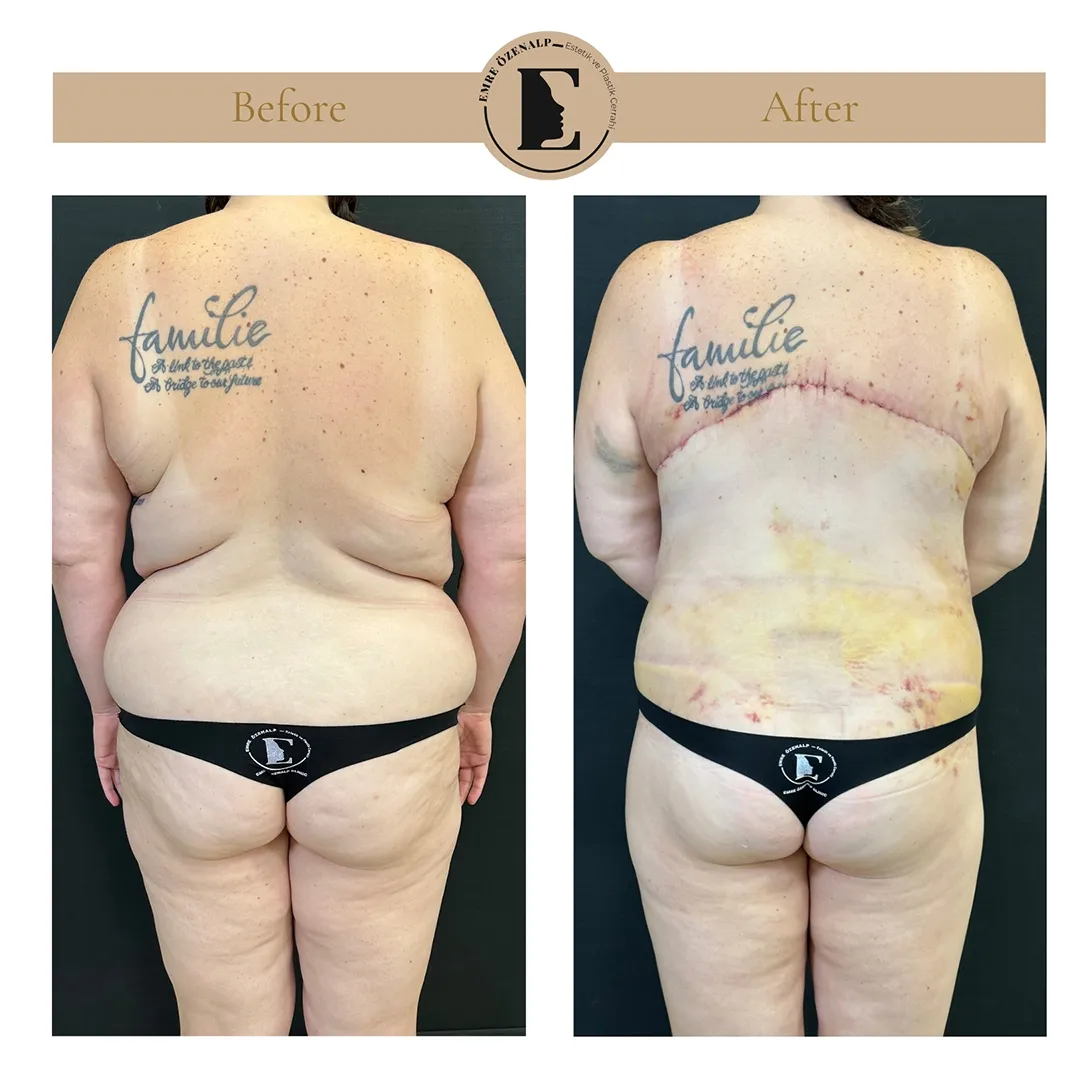
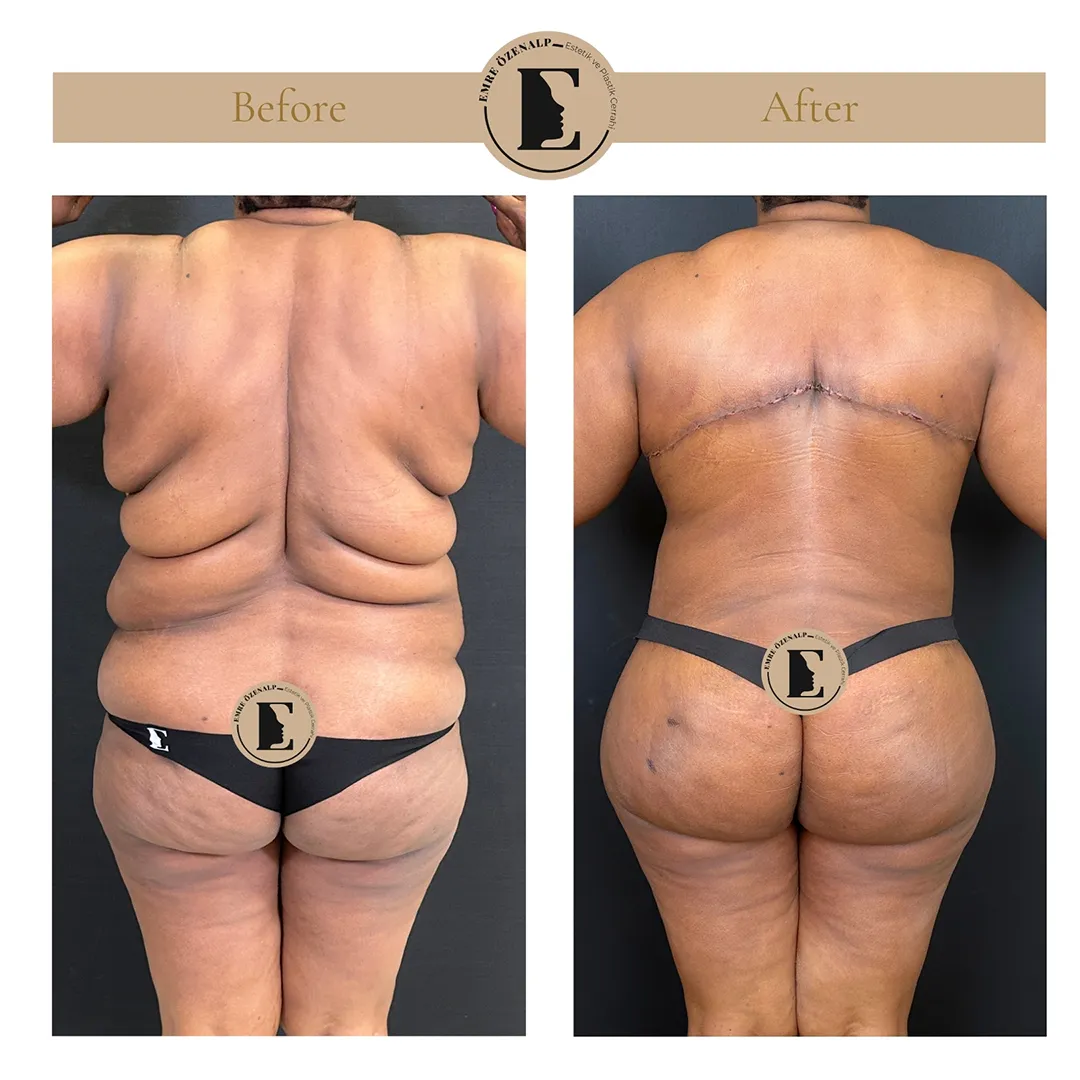
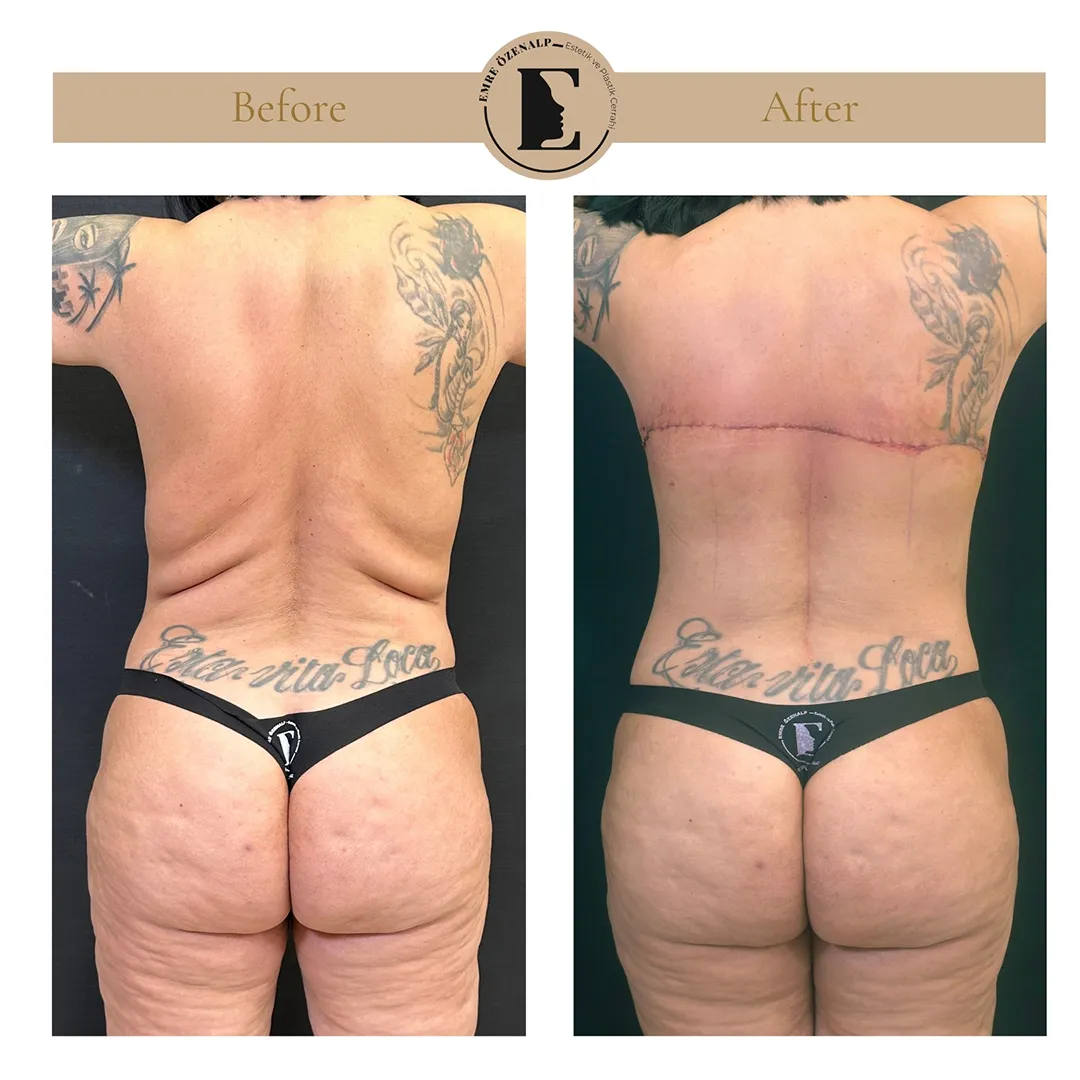
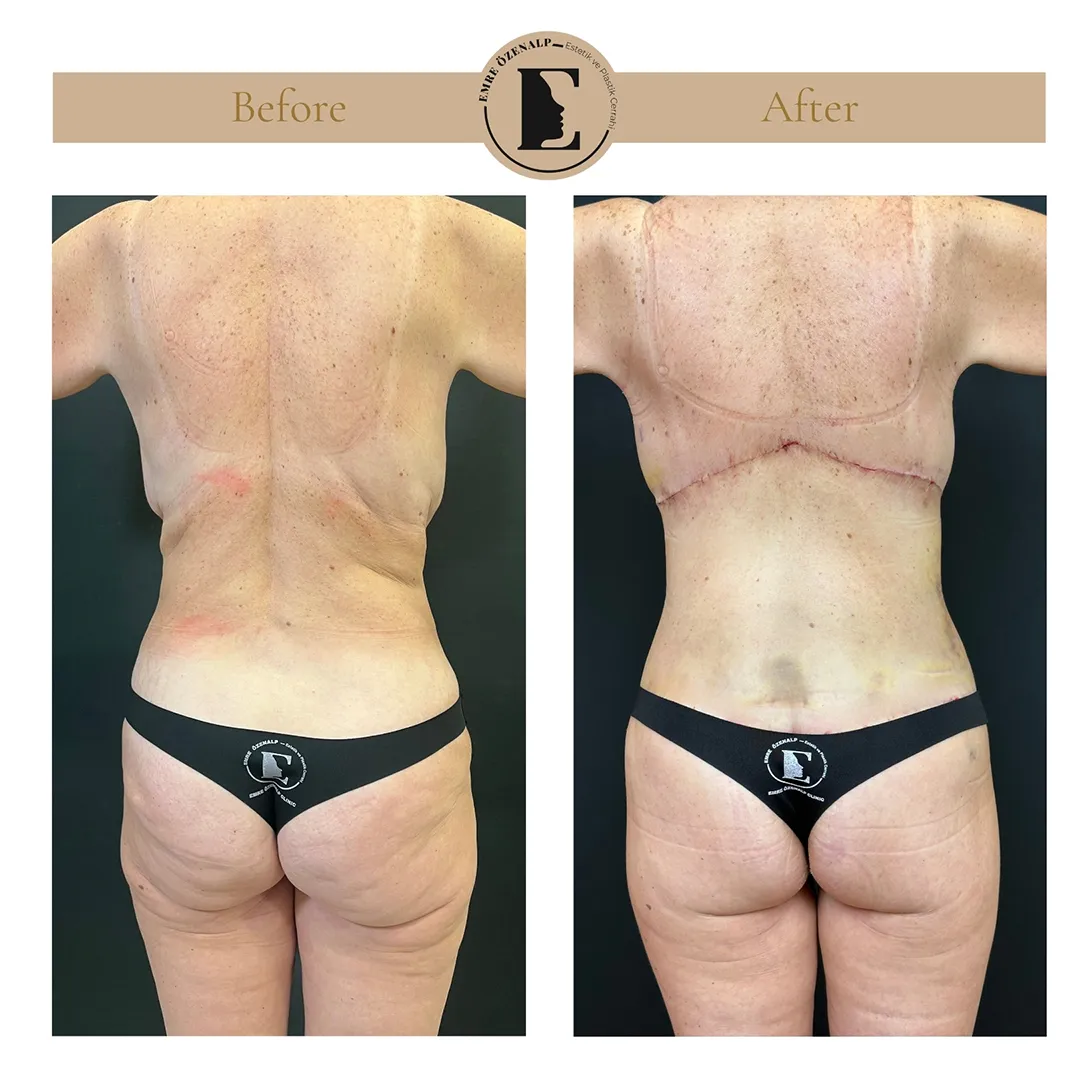
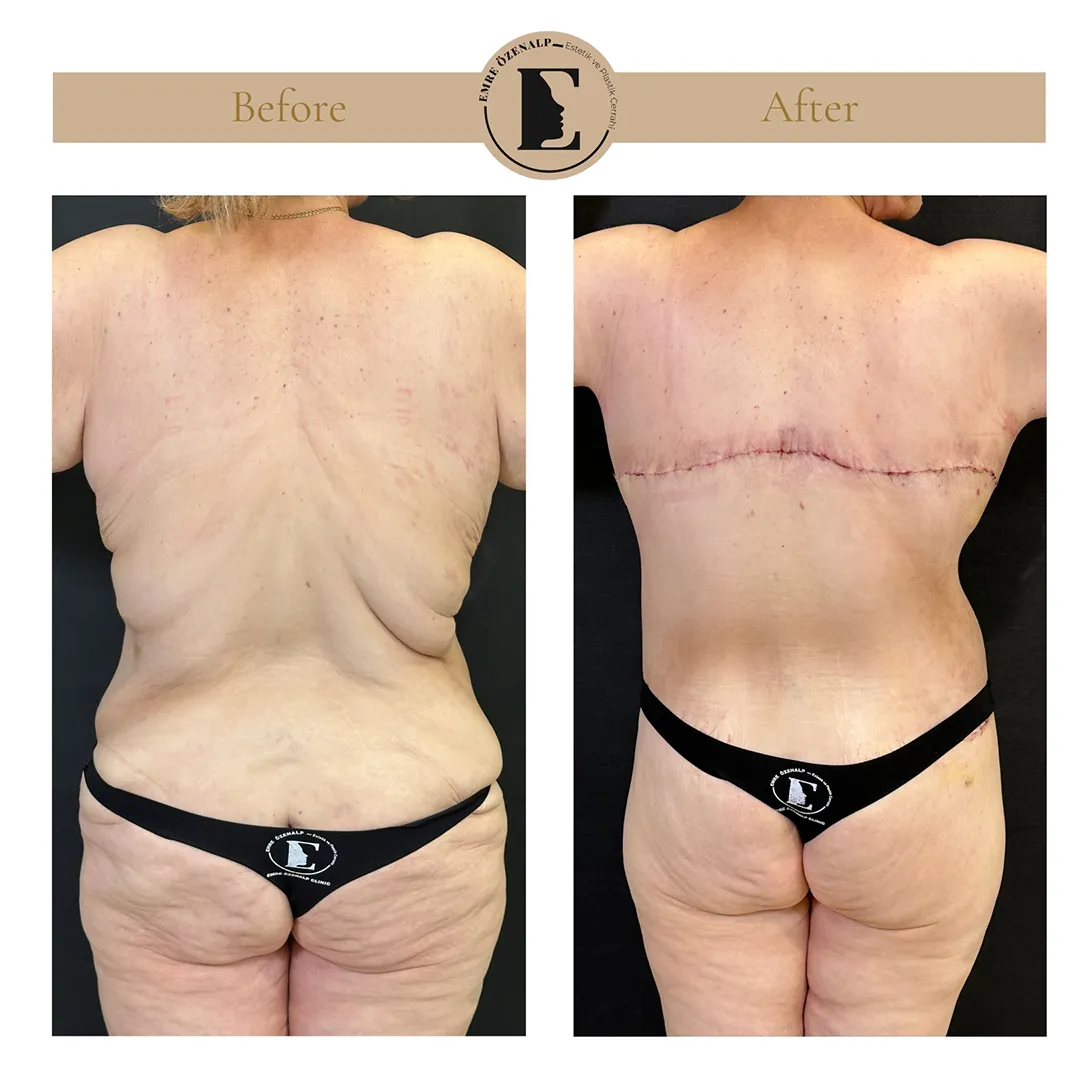
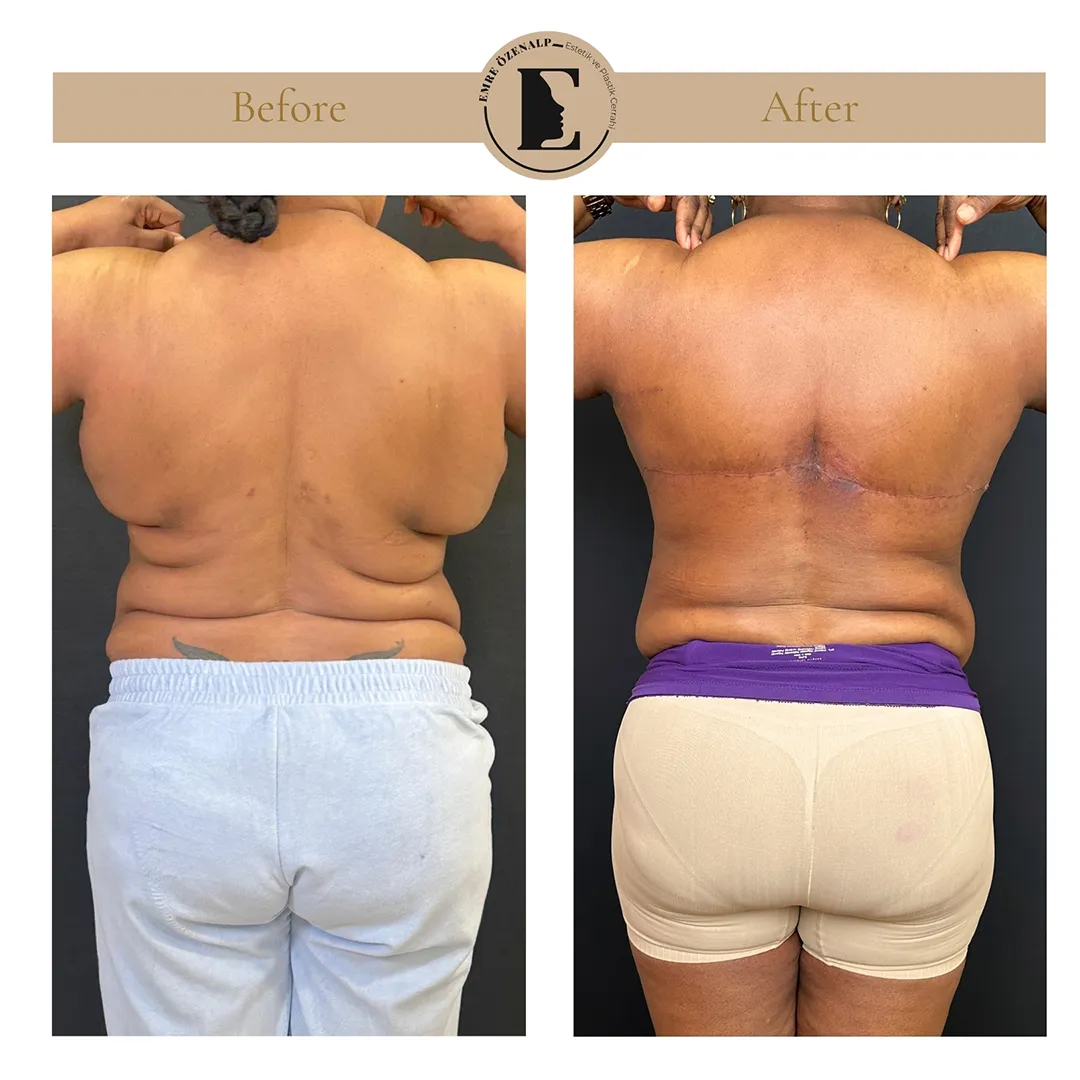
Back Lift (Bra Line Back Lift) Surgery
A back lift, commonly referred to as a bra line back lift or upper body lift, is a cosmetic surgical procedure designed to remove excess skin and stubborn fat deposits from the upper and mid-back region. This transformative body contouring surgery has become increasingly popular, especially among individuals who have undergone significant weight loss through bariatric surgery, lifestyle changes, or the use of GLP-1 medications such as Ozempic and Mounjaro.
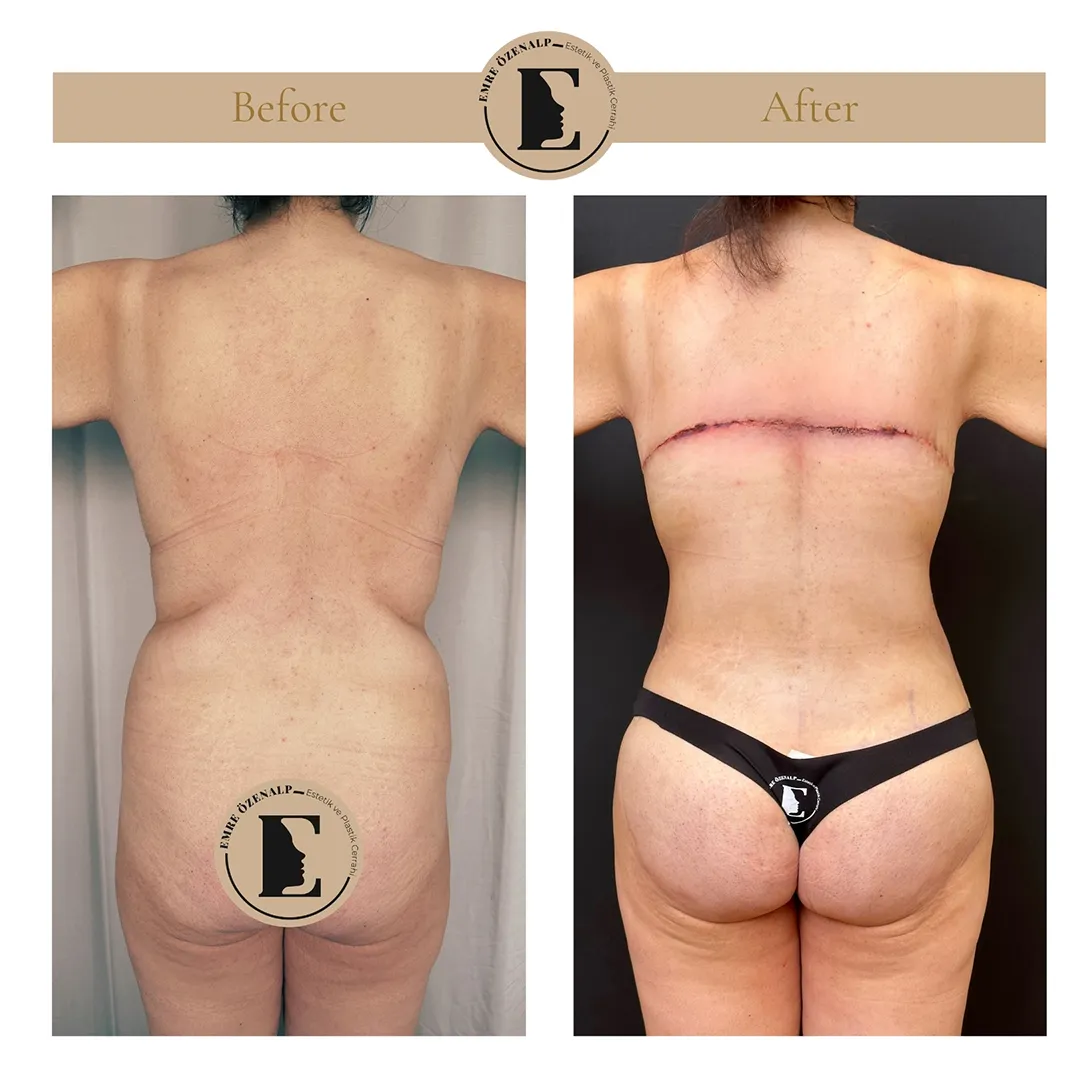
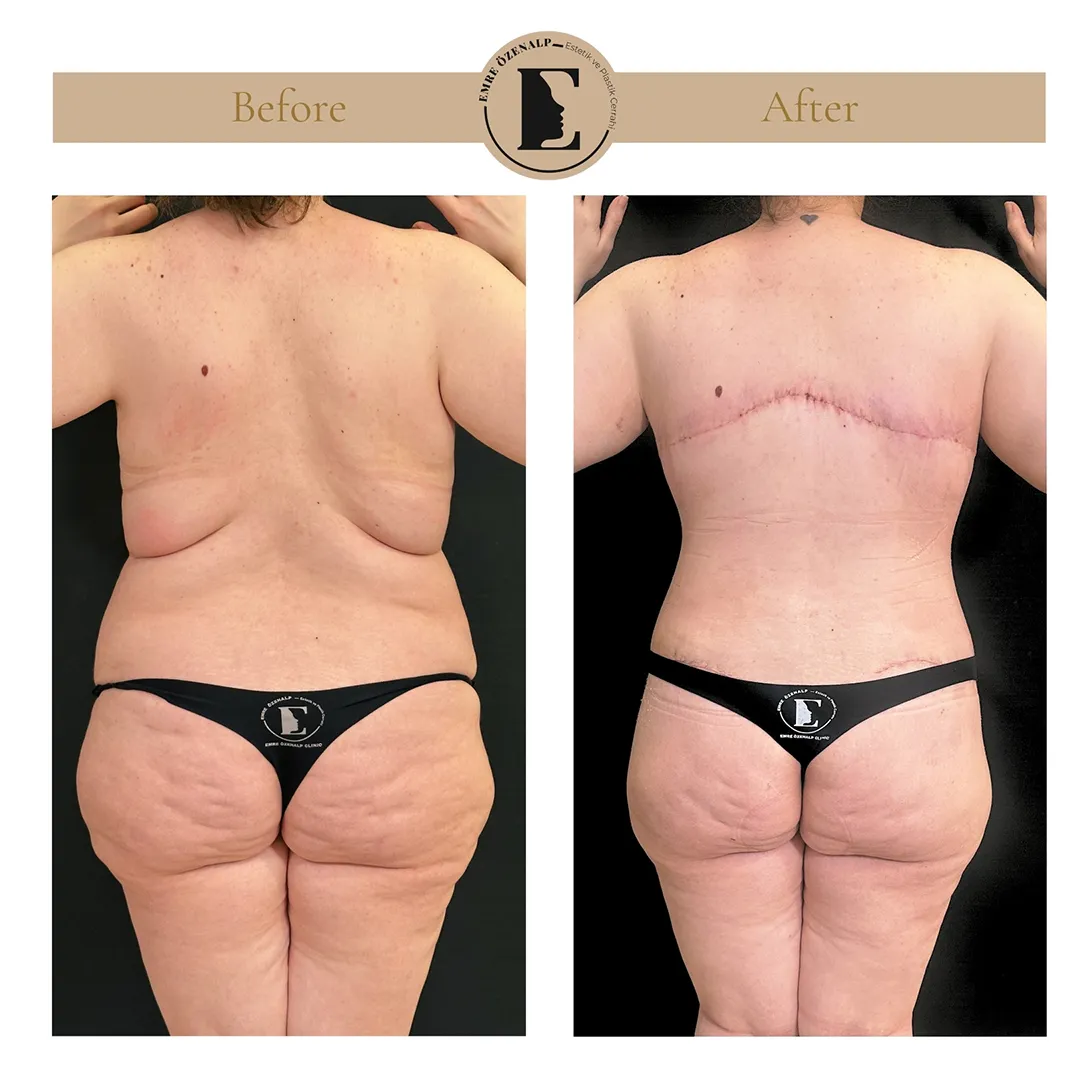
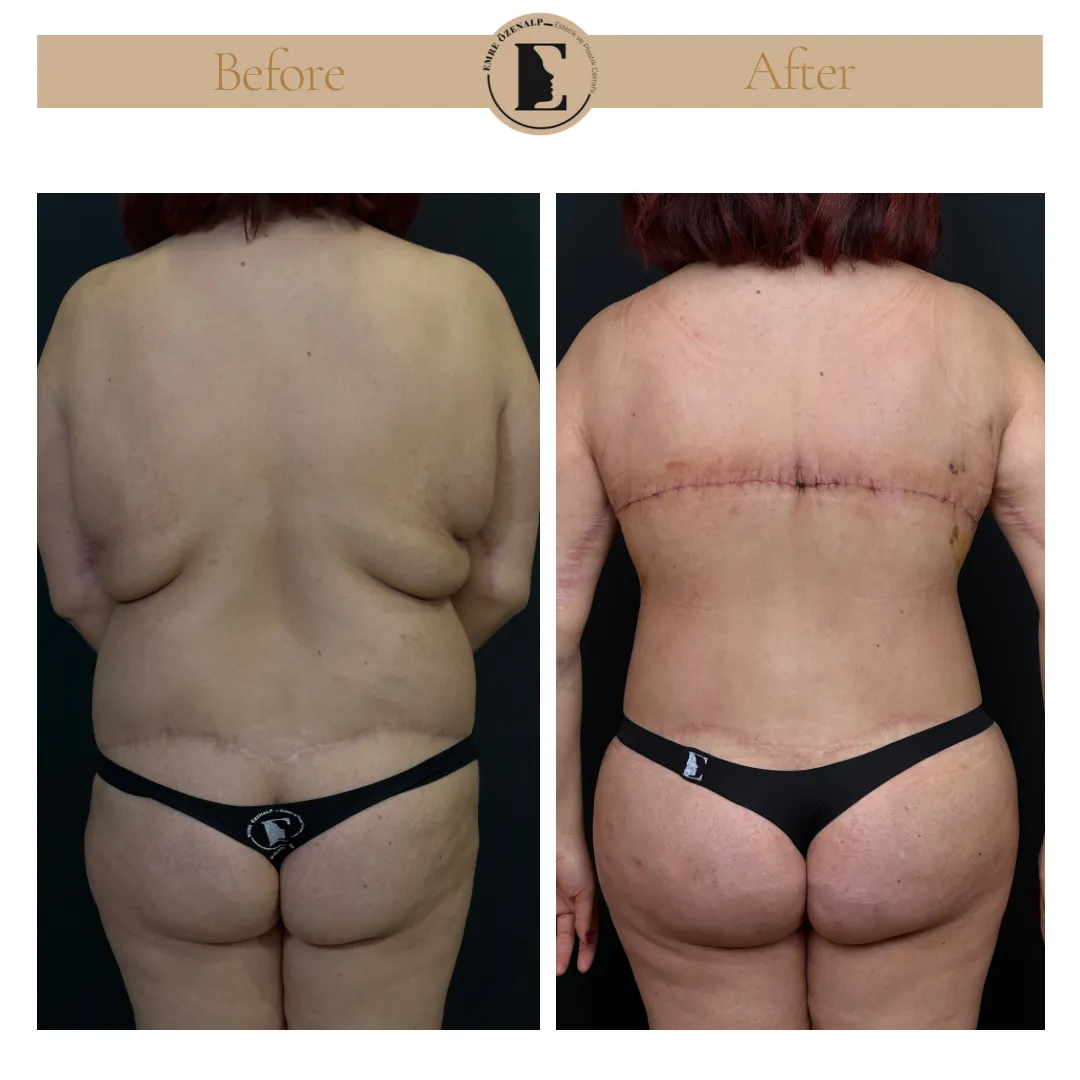
The procedure addresses sagging skin folds, back rolls, and bulges that persist despite diet and exercise. By creating a horizontal incision along the bra line, the surgeon can remove redundant tissue and tighten the remaining skin, resulting in a smoother, more contoured back silhouette. The scar is strategically placed so that it remains hidden beneath a bra or swimsuit.
Whether you are exploring this procedure for aesthetic reasons or to complete your body transformation journey after massive weight loss, this comprehensive guide will walk you through every aspect of bra line back lift surgery, including who makes an ideal candidate, what to expect during and after the procedure, how much it costs, and why Turkey has become a leading destination for this operation.
What Is a Bra Line Back Lift?
A bra line back lift, also known as a t, is a surgical body contouring procedure that targets excess skin and fat on the upper and mid-back. The procedure involves making a carefully planned incision across the back, typically at or near the bra line, removing the redundant tissue, and then tightening the remaining skin to create a firmer, smoother appearance.
The concept was pioneered by plastic surgeon Dr. Joseph P. Hunstad and has since become a widely adopted technique in post-bariatric body contouring. The procedure is suitable for both women and men, though it is particularly popular among women who experience visible back rolls and skin folds around the bra area.
How Does the Bra Line Back Lift Differ from a Regular Back Lift?
Patients often ask us whether they need an upper back lift, a lower back lift, or both. These are distinct procedures targeting different zones.
The term “back lift” is a broader category that encompasses several surgical approaches. A regular back lift may refer to either an upper back lift, a lower back lift, or a combination of both. The bra line back lift specifically targets the upper and mid-back region, with the incision strategically placed along the horizontal bra line to ensure the scar remains concealed under undergarments.
A lower back lift, on the other hand, focuses on the lower back, hips, and buttocks, and is often performed as part of a belt lipectomy or circumferential body lift. The two procedures address different anatomical zones and may be performed separately or combined, depending on the patient’s needs and overall body contouring goals.
The table below breaks down the key differences at a glance.
Back Lift Procedure Comparison| Feature | Bra Line Back Lift | Lower Back Lift | Full Back Lift |
|---|
| Target Area | Upper and mid-back | Lower back, hips, buttocks | Entire back |
|---|
| Incision Placement | Horizontal along bra line | Around the waistline | Both zones combined |
|---|
| Typical Duration | 1.5 – 3 hours | 2 – 4 hours | 3 – 5 hours |
|---|
| Scar Visibility | Hidden under bra / bikini | Hidden under underwear | Wider scar coverage |
|---|
| Best Combined With | Breast lift, arm lift | Tummy tuck, liposuction | Full body lift |
|---|
| Ideal Patient Profile | Back rolls around bra area | Lower back sagging | Widespread skin laxity |
|---|
Consultation Note:
During your consultation, we examine how the skin behaves when you stand, bend forward, and sit. That assessment tells us which approach will give you the best outcome.
Back Lift vs. Liposuction: Which One Is Right for You?
One of the most common questions patients have is whether they need a back lift or liposuction. The answer depends on the primary concern. Liposuction is most effective when the issue is excess fat with relatively good skin elasticity. If the skin can contract and conform to the new shape after fat removal, liposuction alone may deliver satisfying results.
However, when the primary issue is loose, sagging skin rather than excess fat, liposuction alone will not be sufficient. This is the classic scenario for a bra line back lift. In many cases, surgeons combine both procedures: liposuction to reduce volume and sculpt the area, followed by skin excision to remove the remaining laxity. The decision should always be made during a thorough in-person consultation with a board-certified plastic surgeon.
Choosing the Right Back Contouring Procedure| Criteria | Liposuction Only | Bra Line Back Lift | Both Combined |
|---|
| Primary Concern | Excess fat, good skin tone | Loose hanging skin folds | Fat excess + sagging skin |
|---|
| Skin Pinch Test | Skin snaps back quickly | Skin stays folded | Moderate to poor recoil |
|---|
| Incision Size | Tiny (3–5 mm) | Full horizontal incision | Both incision types |
|---|
| Anaesthesia | Local or general | General | General |
|---|
| Downtime | 1 – 2 weeks | 2 – 4 weeks | 3 – 6 weeks |
|---|
| Best For | Younger skin, mild fullness | Post-weight-loss patients | Most comprehensive result |
|---|
If you pinch the skin on your upper back and it forms a thick, heavy fold that does not retract when you let go, liposuction alone will not solve the problem. That fold needs to be physically removed, which is exactly what a bra line back lift does.
How Is a Bra Line Back Lift Performed?
Understanding the step-by-step process can help alleviate anxiety and prepare you for what to expect on surgery day.
After the procedure, it is normal to experience some swelling, bruising, and discomfort in the treated area. Dr. Emre Ozenalp will provide you with detailed post-operative instructions on how to care for your incisions, manage any discomfort, and wear your compression garment. It is important to follow these instructions closely to ensure a smooth and successful recovery.
Pre-Operative Consultation and Planning
The journey begins with a comprehensive consultation where the surgeon evaluates your back, discusses your goals, and determines the best surgical approach. You will be asked to bring a bra or bikini top to the appointment so the surgeon can trace the garment line and plan the incision placement accordingly. Pre-operative blood work and medical clearance will be arranged as needed.
The Surgical Procedure
- General anaesthesia is administered. You are asleep and feel nothing throughout the procedure.
- The surgeon marks the planned excision area with the patient standing, using the bra line as the reference.
- A horizontal incision is made across the upper-to-mid back, from one side of the chest to the other.
- Excess skin and underlying fat are carefully measured, separated from deeper tissues, and removed.
- If indicated, liposuction is performed on adjacent areas to refine the contour further.
- The wound is closed in multiple layers using progressive tension sutures. This technique reduces dead space, minimises seroma risk, and in many cases eliminates the need for drains.
- A compression garment is applied immediately, and the patient is moved to the recovery room.
A bra line back lift is performed under general anaesthesia and typically takes between 1.5 to 4 hours, depending on the extent of tissue removal and whether it is combined with other procedures. The surgeon makes a horizontal incision across the upper-to-mid back, carefully measures and marks the excess skin, removes the redundant tissue and fat, and then closes the incision in multiple layers using absorbable sutures.
Some surgeons employ advanced closure techniques such as progressive tension sutures or quilting sutures that help eliminate dead space, reduce seroma formation, and may eliminate the need for surgical drains. The resulting scar runs horizontally along the bra line and, with proper care, fades significantly over time.
Combining a Back Lift with Other Procedures
Many patients choose to combine a bra line back lift with other body contouring procedures for a more comprehensive transformation. Common combination procedures include breast lift or breast reduction, tummy tuck (abdominoplasty), arm lift (brachioplasty), and liposuction to multiple areas. Combining procedures can reduce overall operating costs, anaesthesia time, and total recovery periods compared to staging each procedure separately.
- Breast Lift (Mastopexy): Completes the upper body transformation. Particularly popular with post-weight-loss patients who have both back rolls and breast ptosis.
- Tummy Tuck (Abdominoplasty): The most common combination. Front and back are reshaped in a single session for a 360-degree improvement.
- Arm Lift (Brachioplasty): Addresses hanging upper arm skin. Combined with a back lift, it transforms the entire upper body silhouette.
- Liposuction: Frequently added to a bra line back lift to remove residual fat pockets and refine transitions between treated and untreated areas.
- Breast Reduction: For patients with both heavy breasts and upper back skin excess, this combination alleviates physical discomfort and improves posture.
Back Lift (Bra Line Back Lift) Surgery Recovery Process
Understanding the recovery timeline is essential for proper planning and achieving the best possible results.
Back Lift Recovery Timeline| Timeframe | Stage | What You Can Do | What to Avoid |
|---|
| Day 0 – 2 | Hospital stay | Gentle walking, eating, drinking | Showering, bending, lifting |
|---|
| Day 3 – 5 | Discharge | Shower (if cleared), light household tasks | Driving, reaching overhead |
|---|
| Week 1 – 2 | Early healing | Desk work, short walks, driving (once off narcotics) | Exercise, lifting over 5 kg |
|---|
| Week 2 – 4 | Progressive return | Longer walks, social activities | Gym workouts, swimming |
|---|
| Week 4 – 6 | Active healing | Light exercise, lower body workouts | Heavy lifting, contact sports |
|---|
| Month 2 – 3 | Tissue settling | Most normal activities | Aggressive back stretches |
|---|
| Month 6 – 12 | Full maturation | All activities including intense exercise | Nothing – you are fully cleared |
|---|
The First Week After Surgery
Immediately after surgery, you will be placed in a compression garment to help reduce swelling and support the healing tissues. Some discomfort, swelling, and bruising are normal during the first few days. Pain medication will be prescribed to manage any discomfort. Most patients can shower within 24 to 48 hours after surgery, and surgical drains (if placed) are typically removed within one to two weeks.
Returning to Normal Activities
Most patients can return to light desk work within 7 to 10 days after surgery. Driving is generally permitted after several days to one week, once you are no longer taking narcotic pain medication. Light walking is encouraged from the day after surgery to promote circulation and prevent blood clots.
Long-Term Recovery and Final Results
Strenuous exercise and heavy lifting should be avoided for at least four to six weeks. The compression garment should be worn continuously for approximately six to eight weeks. Initial swelling and bruising resolve over the first two to three months, but the tissues continue to settle and soften for up to 12 months. Full results become apparent after the one-year mark as scars mature and fade.
Scarring After a Bra Line Back Lift
Let us be straightforward: there will be a scar. Any operation that removes skin leaves one. The goal is to make that scar as thin, flat, and inconspicuous as possible – and to place it where nobody sees it.
Where Exactly Does the Scar Sit?
The incision runs horizontally across the back, starting beneath the breast fold on one side, crossing the mid-to-upper back, and ending beneath the opposite breast fold. It follows the natural crease where a bra band sits. In clothing, a bikini, or a bra, the scar is completely hidden. In male patients, we position the incision where it falls under a standard undershirt or rash guard.
Our Scar Management Protocol
We follow a structured protocol to give your scar the best possible outcome.
- Weeks 1–6: Keep the incision taped with medical-grade paper tape. This reduces tension on the wound edges and prevents widening.
- Week 6 onwards: Begin applying silicone gel or silicone sheets daily. Silicone is the only topical treatment with strong clinical evidence for scar improvement.
- Months 1–12: Protect the scar from UV exposure. Sun causes permanent darkening of new scars. Use SPF 50+ or keep the area covered.
- Month 12: Final scar assessment. By this point, the scar is typically a thin, pale line that blends with surrounding skin.
Who is Good Candidate for a Back Lift (Bra Line Back Lift) Surgery?
Not every patient who walks in with back rolls is a candidate for surgery. We look at several factors before recommending this procedure.
Post-Weight-Loss Patients
The largest group of candidates are patients who have lost 50 pounds or more, whether through bariatric surgery, GLP-1 medications like semaglutide or tirzepatide, or sustained lifestyle changes. After major weight loss, the back skin stretches beyond its ability to recover. No workout routine can fix that. These patients benefit the most from a bra line back lift because the problem is structural, not muscular.
Age-Related Skin Changes
We also see a growing number of patients in their 50s through 70s who have developed back rolls due to hormonal changes and the natural loss of collagen. These patients have often maintained a healthy weight for years but find that their back skin has become lax and creased, particularly around the bra line. Surgery gives them back a contour that exercise cannot.
Candidacy Checklist
Before we clear a patient for surgery, we confirm the following criteria are met.
- Stable weight for at least 6 months with no plans for further significant loss
- Body mass index (BMI) under 30 – higher BMI increases complication risk
- Good general health with no uncontrolled medical conditions
- Non-smoker, or willing to quit at least 4 weeks before and after surgery
- No active skin infections or open wounds on the back
- Realistic expectations about scarring, recovery time, and final results
⚠️
A Note on GLP-1 Weight Loss Medications
Patients using Ozempic, Wegovy, Mounjaro, or similar GLP-1 agonists often lose weight rapidly, which can leave behind more loose skin than gradual weight loss.
- Protein Intake: Increase your daily protein intake to at least 75 grams for three weeks before surgery.
- Anaesthesia Risk: You must stop the medication before your procedure because it slows gastric emptying, creating serious risks during anaesthesia.
Please discuss the exact timeline with Dr. Emre Özenalp during your consultation.
Risks and Complications: What You Should Know
We believe in full transparency. Every surgery carries risk. The goal is to understand those risks, minimise them through preparation, and know what to watch for afterwards.
Possible Complications
Complications and Prevention Strategies| Complication | How Common | How We Prevent It |
|---|
| Seroma (fluid build-up) | Moderate | Progressive tension sutures, compression garment, drains if needed |
|---|
| Infection | Rare | Sterile surgical environment, prophylactic antibiotics |
|---|
| Scar widening | Low to moderate | Multi-layer closure, post-op taping for 6 weeks |
|---|
| Wound healing delay | Low | Smoking cessation, adequate protein intake, careful blood sugar control |
|---|
| Temporary numbness | Common | Resolves on its own within 3–6 months |
|---|
| Asymmetry | Rare | Precise pre-operative marking, experienced surgeon |
|---|
| Anaesthesia reaction | Very rare | Full medical evaluation, board-certified anaesthesiologist |
|---|
How to Lower Your Risk Before and After Surgery
- Choose a highly experienced surgeon, particularly one who focuses on back lift surgery.
- Stop smoking and all nicotine products at least 4 weeks before your procedure
- Reach and hold a stable weight before scheduling surgery
- Increase daily protein intake to 75 grams starting 3 weeks before surgery
- Disclose every medication and supplement you take, including over-the-counter products
- Wear your compression garment exactly as instructed – not loosely, not intermittently
- Attend every follow-up appointment, even if you feel fine